
Welcome to the start of your journey into the world of zero-waste living! If you’re peering into the world of sustainable living, pondering how you can make a significant impact, you’ve come to the right place. Diving into a zero-waste lifestyle might seem daunting at first glance, but fear not—it’s a series of small, manageable steps that lead to grand, fulfilling strides toward sustainability. In this guide, we’ll explore five key steps to reduce your ecological footprint, complete with practical tips, positive statistics, and a hearty dose of motivation to keep you going strong. Let’s embark on this transformative journey together, proving that every little action contributes to a monumental change for our planet’s health!
As the global consciousness about environmental degradation rises, so does the interest in zero-waste living. What started as a niche movement has blossomed into a widespread call to action, inviting individuals from all walks of life to participate in creating a cleaner, greener future. Zero-waste living isn’t just about reducing waste; it’s a philosophy that encourages us to rethink our resources, redesign our consumption patterns, and reimagine a world where everything is valued and nothing is wasted.
Adopting a zero-waste lifestyle means committing to a series of changes that significantly reduce your waste output. These changes not only benefit the planet by minimizing landfill contributions and conserving natural resources but also enhance personal well-being through mindful living and healthier choices. Ready to get started? Follow these five essential steps toward a zero-waste lifestyle that’s not only sustainable but also surprisingly fun and deeply rewarding.
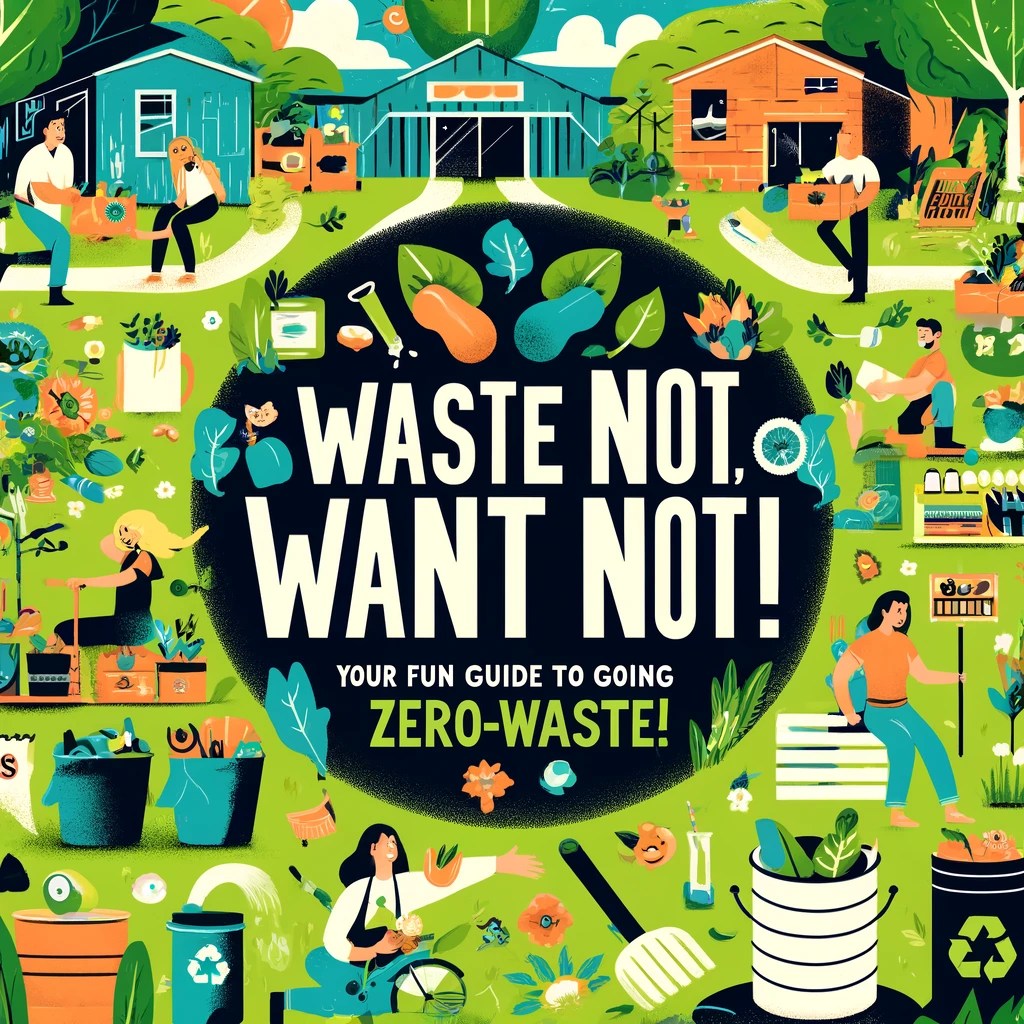
Conduct a Waste Audit
Understanding Your Trash
The first and perhaps most illuminating step on your zero-waste journey is to conduct a thorough waste audit. For one week, collect everything you would normally discard. Sort this waste into various categories—plastics, organics, paper, glass, and metals. This audit provides a clear snapshot of your current waste habits and pinpoints the areas where you can have the biggest impact.
Strategic Waste Reduction
After identifying the major sources of your waste, set precise, achievable goals to reduce these. For example, if you discover an abundance of food packaging waste, shift towards purchasing fresh produce and bulk goods. If paper is prevalent, migrate towards digital alternatives for bills and subscriptions.
Why Bother Auditing?
It might seem tedious to sift through your trash, but the insights gained are invaluable. According to the Environmental Protection Agency (EPA), the average American produces about 4.9 pounds of waste per day, of which 75% is recyclable. However, only about 30% is actually recycled. By understanding your personal waste stream, you’re better positioned to make effective changes that contribute to both local recycling efforts and global waste reduction.
Embrace Reusables
Making the Swap to Sustainable
Replace disposable items with reusable alternatives as a simple yet impactful step toward zero waste. Start with the most common items such as grocery bags, water bottles, coffee cups, straws, and food containers. Once you’ve adopted these, consider extending to other areas of your life, like switching to cloth diapers, using reusable razors, or adopting washable menstrual products.
Seeing the Sustainable Impact
The benefits of switching to reusables are tremendous. For instance, adopting a reusable water bottle can prevent approximately 156 plastic bottles per person per year from entering landfills or oceans. When scaled up to a community level, the impact is even more profound.
The Power of Durables
Beyond the environmental benefits, reusables often offer improved health and cost savings. Many single-use plastics contain harmful chemicals that can leach into food and drinks. Reusables typically use safer materials and, though they may cost more upfront, they save money over time due to their longevity.
Buy in Bulk
Bulk Buying to Reduce Packaging
Try and select bulk purchases to significantly cut down on packaging waste. Bring your own containers to refill with grains, nuts, spices, and other staples. This approach not only reduces your environmental impact but also allows you to buy exactly what you need, minimizing food waste.
The Environmental and Economic Benefits
Bulk buying can reduce packaging waste by up to 40%. This method is generally less expensive as well, as bulk items are not priced to include packaging costs. Additionally, bulk sections often feature organic and locally sourced options, supporting sustainable agriculture practices.
Why Bulk Matters
With packaging accounting for a significant portion of municipal waste, choosing bulk options is a direct action against the overuse of plastic and other packaging materials. Reducing your dependency on packaged goods is a powerful step toward a zero-waste lifestyle.
Compost Organic Waste
From Scraps to Soil
Composting kitchen and garden waste is a superb way to decrease your environmental footprint. Whether you use a small kitchen composter or a larger outdoor bin, composting turns your organic waste into nutrient-rich soil, perfect for gardening.
The Impact of Composting
Composting can divert as much as 30% of household waste from landfills. This not only reduces methane emissions—a potent greenhouse gas produced when organic waste decomposes anaerobically—but also enriches the soil, reducing the need for chemical fertilizers and pesticides in gardening.
Advocate and Educate
Lead by Example and Inspire
As you progress on your zero-waste journey, share your experiences and insights. Use your social media platforms, community groups, or a personal blog to discuss the benefits and practicalities of living waste-free. Educating others can significantly magnify the impact of your actions.
The Ripple Effect of Advocacy
When you share your zero-waste experiences, you inspire others to evaluate their habits and consider making similar changes. Peer influence is a powerful tool in spreading sustainable practices. According to studies, seeing others engage in eco-friendly behaviors is a strong motivator for individuals to adopt similar habits.
Why Your Voice Matters
Advocating for zero-waste isn’t just about changing personal habits—it’s about influencing community norms and business practices. Your advocacy raises awareness, fosters education, and encourages both individuals and companies to adopt more sustainable practices. Every blog post, workshop, and social media share creates a network of influence that promotes a larger cultural shift towards sustainability.
Embarking on a zero-waste journey transforms more than just your trash output—it changes your relationship with the environment and with consumption itself. Each of the steps outlined above provides practical and impactful ways to reduce waste and enhance sustainability. Remember, the journey to zero waste is a progressive series of changes, each building on the last. Whether you’re a seasoned eco-warrior or a curious newcomer, every action you take makes a difference. So why wait? Let’s step boldly into a sustainable future, one zero-waste choice at a time. Together, we can make sustainability not just a goal but a reality. Let’s keep pushing, exploring, and inspiring each other—after all, this planet is all we have. Happy reducing, reusing, and recycling!
 Life in Green Mode
Leave a comment